
The Real Cost of Owning a Private Jet

A transparent breakdown of expenses—and how 5 Star Jets helps owners manage them with precision.

Owning a private jet is more than a luxury—it’s a strategic investment in time, privacy, and freedom. But behind every takeoff lies a complex financial structure that demands clarity and control. At 5 Star Jets, Aircraft Management is one of our core pillars, and we believe that transparency is key to successful ownership.

To help prospective owners understand the full picture, we’ve broken down the costs into two main categories: Cost of Goods Sold (COGS) and Operating Expenses. These reports are delivered monthly to our management clients, and soon, they’ll be available in real time through our proprietary software platform.

 1. Cost of Goods Sold (COGS)

These are direct, flight-related costs—expenses that scale with aircraft usage.

Key subcategories include:

  • Fuel – Jet A:

    The largest variable cost. Consumption depends on aircraft type, distance flown, and cruising efficiency.

  • Navigation Charges:

    Fees paid to air traffic control and route authorities, varying by region and flight path.

  • Catering Cost:

    Custom in-flight meals and services tailored to passenger preferences.
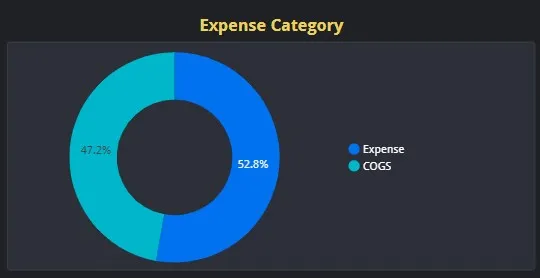
A simple wiew owr expense category
  • Crew Overnights COGS:

    • Hotels Cost: Accommodation for crew during multi-day trips.
    • Ground Transportation: Transfers between the airport, hotel, and aircraft.
    • Crew Meals Cost: Daily meal allowances.
    • Per Diem Cost: Fixed daily compensation for crew on duty.
    • Communication Cost: Roaming, data, and operational communication tools.
  • Handling COGS:

    • Landing/Ramp/Handling: Airport fees for landing, ramp access, and ground services
    • Parking: Overnight or long-term aircraft parking at FBOs or hangars.

These costs are tracked per flight and form the basis of your aircraft’s hourly operating rate.

 2. Operating Expenses

These are recurring costs that exist regardless of flight activity—essential for maintaining airworthiness and operational readiness.

Main subcategories include:

  • Aircraft Supplies:

    Onboard consumables, safety equipment, and cabin amenities.

  • Freight/Postage:

    Logistics for parts, documentation, and compliance materials.

  • Maintenance Contracts:

    Scheduled inspections, engine programs, and airframe service agreements.

  • Maintenance Expense:

    Unscheduled repairs, parts replacement, and labor costs outside of contracted programs.

Together, these expenses ensure your aircraft remains safe, compliant, and ready to fly.
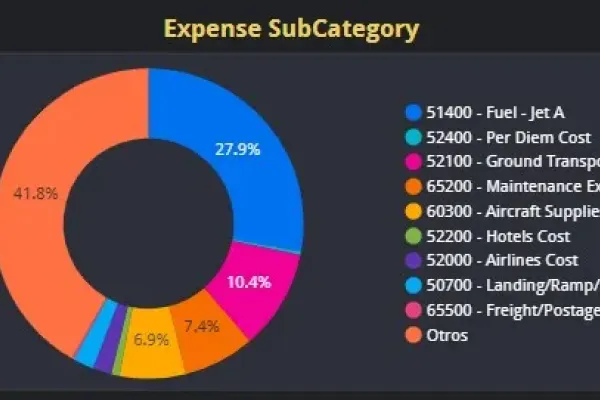
View of the Expense Subcategory
Charter Flights

 Monthly Reports & Real-Time Visibility

  • Total expenses by category
  • Charter revenue (if applicable)
  • Flight hours flown
  • Net profit/loss for the period

And we’re going further. Our upcoming owner dashboard software will allow you to:

  • View real-time financial performance
  • Track hours flown (especially under Part 135 operations)
  • Access and download invoices by category
  • Monitor charter activity and profitability

This tool will give owners full control and visibility—anytime, anywhere.
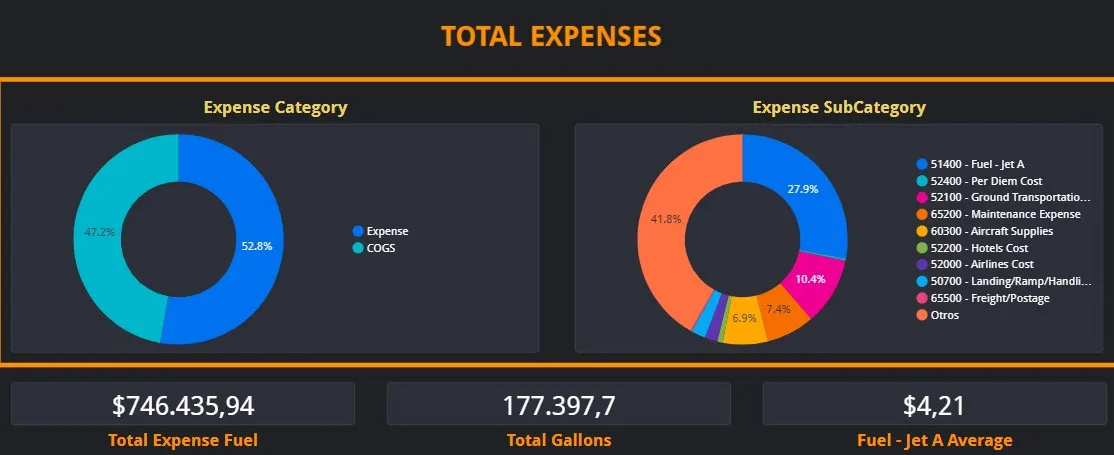
Complete wiew about expenses
Charter Flights

Your Jet Can Earn While You Fly Less

Chartering your aircraft offsets ownership costs and maximizes asset utilization. All aircraft under 5 Star Jets management are eligible for charter, and our clients benefit from optimized scheduling, vetted passengers, and transparent revenue tracking.

In our next guide, we’ll explore how charter revenue works—and how much your jet could realistically earn.

Charter Flights

Frequently Asked Questions (FAQs)

1. What are the fixed costs of owning a private jet?

Fixed costs include maintenance contracts, hangar fees, insurance, crew salaries, and aircraft supplies. These expenses occur regardless of flight activity and are essential for keeping the aircraft airworthy and ready to operate.

2. How much does it cost to operate a jet per hour?

Hourly operating costs vary by aircraft type, route, and usage. They typically include fuel, navigation fees, crew overnights, and handling charges. Our monthly reports provide a detailed breakdown based on actual flight activity.

3. Are these expenses tax-deductible?

Some ownership and operational costs may be deductible depending on how the aircraft is used (e.g., business vs. personal). We recommend consulting a tax advisor familiar with aviation assets to structure ownership efficiently.

4. Can my jet generate revenue when I’m not using it?

Yes. All aircraft under 5 Star Jets management are eligible for charter operations. This allows owners to offset costs and generate income while maintaining full control over scheduling and usage.

5. How does 5 Star Jets report aircraft performance and expenses?

We provide monthly financial reports detailing expenses, flight hours, and charter revenue. Soon, our proprietary dashboard will allow owners to view real-time performance, download invoices by category, and monitor profitability at a glance.